
Why Are My Container Plants Dying? 5 Organic Fixes
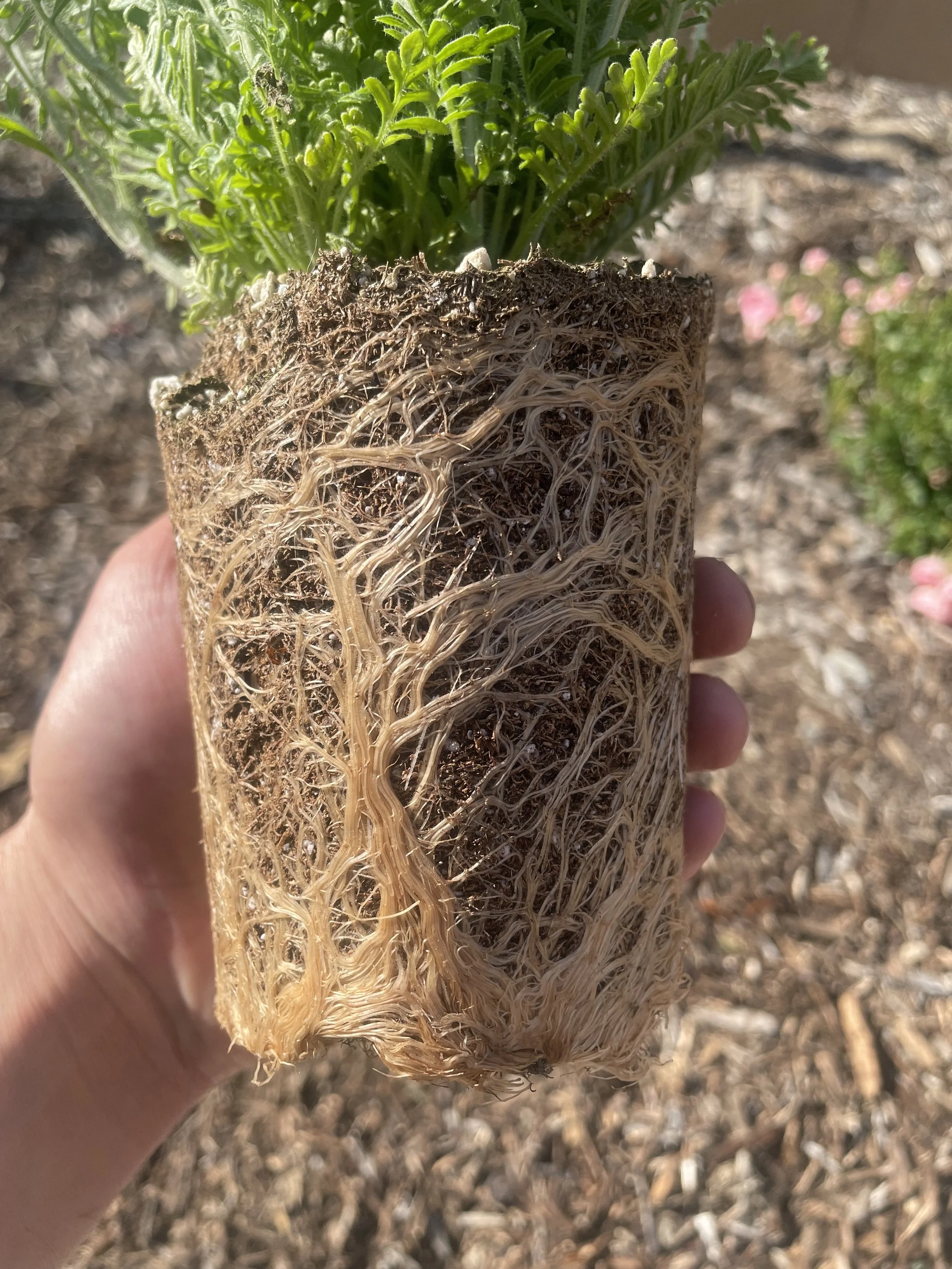
Rootbound Plant
If your potted plants keep struggling no matter what you do, the problem is almost always one of five very fixable things. Here's how to diagnose and fix each one — organically.
Container gardening should be the easiest way to grow plants. You control the soil. You control the water. You can move things around. And yet — for so many urban gardeners — it's where things go wrong fastest.
After years of working with urban gardeners, I've seen the same five problems show up again and again. The good news: every single one of them is fixable, and none of them require synthetic chemicals to solve.
1. The pot is too small
This is the number one mistake I see. A plant that's root-bound — where the roots have completely filled the container and have nowhere to go — will struggle no matter how well you water and fertilize it. The roots can't access enough nutrients, they start circling and strangling each other, and the plant slowly declines.
The organic fix:
Repot into a container that's 2–4 inches larger in diameter. When you do, gently loosen the root ball with your hands and add fresh compost-rich potting mix. Never use garden soil in containers — it compacts and suffocates roots.
2. Poor drainage is drowning the roots
Most container plants die from overwatering — but the real culprit is often drainage, not the water itself. If your pot doesn't have drainage holes, or if the potting mix has compacted into a solid mass, water sits around the roots and causes rot. Root rot is silent, fast, and often fatal by the time you notice the symptoms above ground.
The organic fix
Always use pots with drainage holes. Add some perlite or coarse pumice to your potting mix (about 20%) to improve aeration. If you suspect root rot, unpot the plant, trim away any black or mushy roots with clean scissors, and repot in fresh, well-draining mix.
3. The soil has exhausted its nutrients
Potting mix doesn't last forever. Most commercial mixes have enough nutrients to support a plant for about 6–8 weeks. After that, the nutrients are depleted and the plant is essentially growing in an inert medium with nothing to feed on. This is especially common with plants that have been in the same pot for more than one season.
The organic fix
Top-dress containers with worm castings or compost every 4–6 weeks during the growing season. A liquid organic fertilizer — kelp meal, fish emulsion, or compost tea — applied every 2 weeks gives container plants the steady feed they can't get from depleted soil.
4. Too much sun — or not enough
One of the biggest advantages of container gardening is that you can move plants around. But most people set their pots down once and never move them again. Container plants in the wrong light — especially on south or west-facing balconies in Southern California — can scorch within days in summer. And plants that need full sun but are tucked into shade will stretch, weaken, and eventually give up.
The organic fix
Track where the sun hits your space at different times of day and in different seasons. Most edibles need 6–8 hours of direct sun. Most tropical houseplants prefer bright indirect light. When in doubt, move the plant and observe — it will tell you within a week whether it's happier.
5. Pests you haven't noticed yet
Spider mites, fungus gnats, mealybugs, aphids — container plants are especially vulnerable because the confined environment makes it easy for pest populations to explode before you realize what's happening. By the time you see visible damage, the infestation is often well established. The key is catching them early and treating organically before they spread.
The organic fix
Inspect the undersides of leaves weekly — that's where most pests hide. For soft-bodied insects like aphids and mealybugs, a diluted neem oil spray works well. For fungus gnats, let the soil dry out more between waterings and top-dress with a thin layer of sand. For spider mites, a strong spray of water on the leaves daily for a week disrupts their life cycle.
The most important thing to remember about container gardening: the problems are almost always environmental, not inevitable. A plant that's struggling is telling you something — you just need to know what to listen for.
If you've worked through this list and your plants are still struggling, that's exactly what I'm here for. Sometimes a fresh set of expert eyes — and a few photos — is all it takes to figure out what's going on.
Still struggling?